
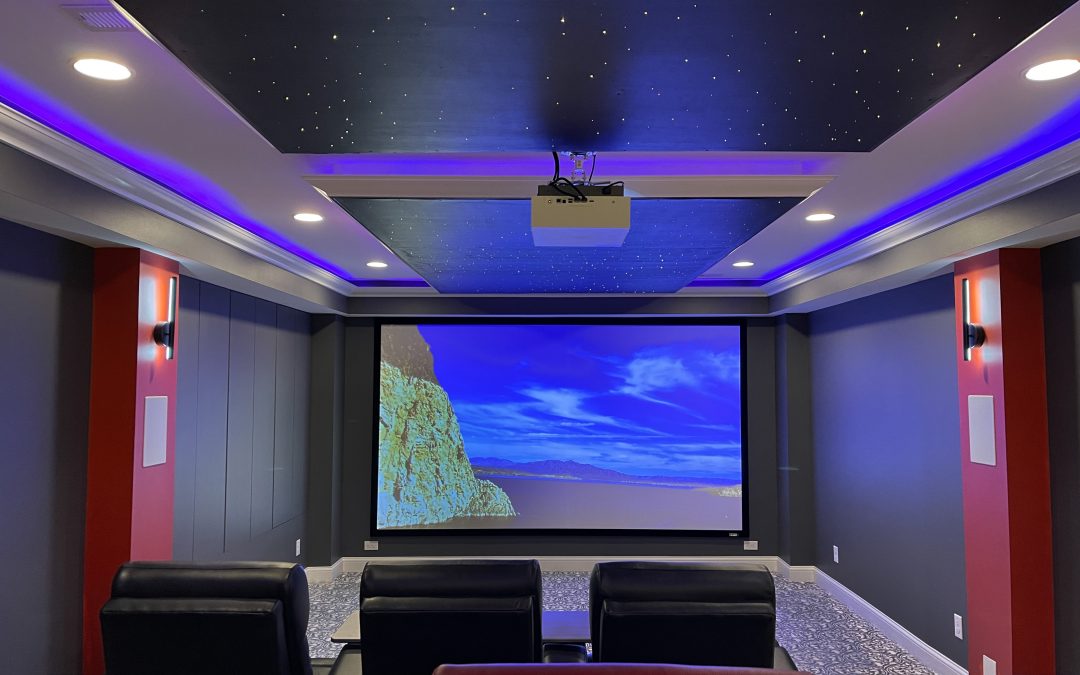
Deciding how to design a high-performance entertainment space is one of the most exciting choices you can make during a home build or major renovation. As high-definition video displays grow larger and immersive surround sound formats become more accessible, homeowners are increasingly looking to bring the cinematic experience directly into their living spaces. However, a fundamental question always arises during the initial design phase: should you construct a dedicated, private home theater, or build a flexible, open-concept media room?
Both options deliver exceptional visual and auditory performance, but they cater to drastically different lifestyles, spatial architectures, and social habits. A dedicated home theater acts as an isolated sanctuary optimized exclusively for immersive movie watching, whereas a media room serves as a vibrant, versatile social hub designed to accommodate everyday living.
Understanding the underlying structural, acoustic, and lighting differences between these two approaches will help you choose the layout that perfectly aligns with your home and family dynamics.
Defining the Spaces: Cinema Isolation vs. Social Hub Versatility
Before diving into hardware selection and room acoustics, it is essential to establish how each space functions on a day-to-day basis. The choice between a theater and a media room is less about budget and more about how you prefer to gather with family and friends.
The Custom Home Theater: This is a dedicated, single-purpose environment built for maximum immersion. Everything in the room—from the dark wall paint and tiered leather seating to the acoustic wall fabric—is engineered to remove distractions and focus all eyes on the screen. It replicates the traditional commercial cinema environment where the room falls completely dark, conversations pause, and the movie takes center stage.
* **The Multi-Purpose Media Room:** This is an open, flexible space where entertainment seamlessly integrates with modern home living. Rather than isolating the viewing experience behind closed doors, a media room blends big-screen viewing into living rooms, finished basements, or open lofts. The design allows people to watch the big game, play video games, or listen to music while simultaneously hosting, cooking, and chatting.
1. Ambient Lighting Control and Display Technology Selection
The amount of natural light entering your space dictates the type of video display technology required to achieve a vivid, high-contrast picture.
Home Theater Environment
Dedicated theaters are traditionally located in windowless basement spaces or rooms equipped with motorized blackout shading systems. Because ambient light can be eliminated entirely, these rooms can utilize high-end 4K laser projection systems paired with massive, acoustically transparent projection screens. In a pitch-black environment, projectors deliver deep, rich black levels and realistic color depth that make you feel like you are sitting in a commercial movie cinema.
Media Room Environment
Media rooms are typically built in main-floor living areas with large windows, sliding glass doors, and open sightlines to adjacent kitchens. Because complete darkness is impossible or undesirable during the daytime, projectors can produce washed-out images. Media rooms rely on ultra-bright, large-format OLED or direct-lit LED displays ranging from 85 to 98 inches. These displays feature powerful anti-reflective glass coatings and intense light output, maintaining deep contrast, crisp detail, and vibrant saturation even in bright sunlight.
2. Spatial Acoustics and Sound Insulation Strategies
Controlling how sound moves inside a room—and how much sound escapes into adjacent bedrooms—requires entirely different architectural strategies depending on the room type.
Dedicated Home Theater Sound Design
In a custom home theater, the goal is total acoustic control. The room is engineered with sound-isolating drywall, specialized insulation, and solid core doors to prevent audio from leaking into the rest of the house. Inside the room, high-performance Dolby Atmos surround speakers are hidden behind acoustically transparent fabric walls or recessed flush into ceiling cavities. Custom-built acoustic panels are placed along reflection points to absorb harsh treble echoes and diffuse bass, ensuring every line of movie dialogue sounds clear and lifelike.
Media Room Acoustic Adaptations
Media rooms present complex acoustic challenges due to open floor plans, tile or hardwood flooring, and reflective glass windows. Because sound waves easily escape into adjoining rooms, professional installation focuses on smart speaker placement and localized audio calibration. In-ceiling architectural speakers, sleek wall-mounted cabinets, or high-output custom soundbars deliver punchy, clear audio across the seating area without requiring bulky, freestanding speaker boxes that clutter the room’s decor.
3. Seating Dynamics and Furniture Placement
How furniture is arranged dictates how people move through and interact inside the room.
Home Theater Tiered Seating: Theater layouts prioritize optimal sightlines for every viewer. Multi-tiered risers are built so that rear seats look directly over the heads of viewers sitting in front. Fixed cinema recliners equipped with power headrests, cup holders, and integrated tactile bass shakers ensure that every seat in the house enjoys a calibrated viewing angle.
Media Room Casual Layouts: Media rooms emphasize comfort, movement, and face-to-face interaction. Instead of rigid rows of theater seats, these spaces feature large sectional sofas, swiveling club armchairs, and floor cushions. A swiveling chair allows a guest to easily turn away from the screen to join a conversation in the kitchen, offering a relaxed environment for video game marathons, casual TV viewing, and social watch parties.
Making the Final Decision for Your Home
Choosing between these two designs comes down to assessing your personal routine and home architecture. Choose a custom home theater if you possess a dedicated room, love dedicated movie nights, and want absolute control over light, sound, and seating immersion. Choose a media room if you want an active, highly functional space where your family can comfortably gather for everyday entertainment without feeling walled off from the rest of the house.
Whether you decide on a dedicated cinema or a multi-use media space, precise wiring, proper thermal management for electronics, and strategic speaker alignment are required to realize the full potential of your investment. Explore our custom home theater setup and media room installation services to see how our team designs tailored solutions for any floor plan.